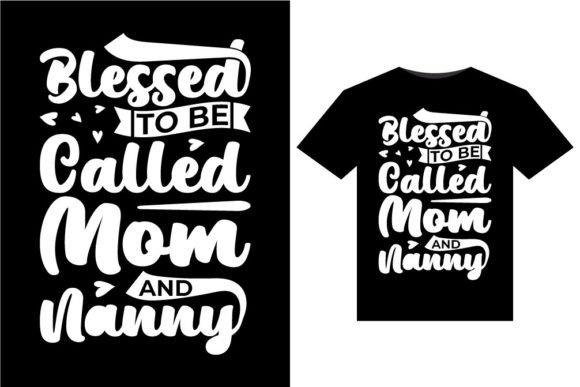
It Takes a Special Mom T-Shirts Design
A Quiet Moment, Stitched Right
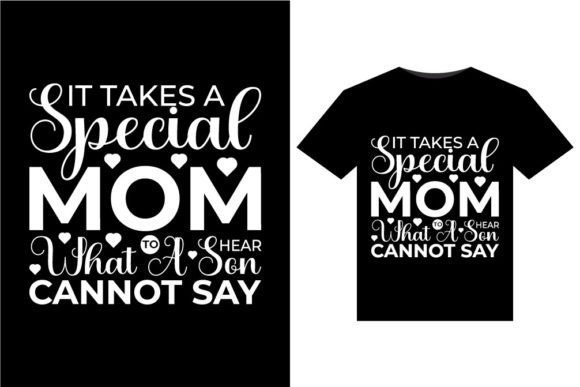
When I first opened It Takes a Special Mom T-Shirts Design, I didn’t see a graphic—I saw a pause. A breath held between words. The phrase “It Takes A Special Mom To Hear What A Son Cannot Say” carries weight, tenderness, and quiet strength—especially in the context of autism awareness. As someone who’s stitched hundreds of heartfelt designs for moms, therapists, educators, and small shops, I immediately asked: Will this translate well into thread? Will it feel handmade—not printed—and still land with emotional clarity?
First Impressions: Simplicity with Soul
The layout is clean and centered—no busy borders or decorative flourishes. That’s a win. It leans into minimalism without sacrificing warmth: soft curves in the lettering, gentle spacing, and a subtle emphasis on “Special Mom” that feels intentional, not forced. There’s no clipart energy here—it reads like a thoughtful illustration meant for real people, not stock catalogs. For embroidery designers, that means fewer elements to reinterpret and more room for stitch integrity.
Where This Design Truly Shines
I recently used It Takes a Special Mom T-Shirts Design as the centerpiece for a custom embroidered cotton tote bag—intended as a gift for an autism support group coordinator. On the tote, it stitched cleanly at 4.5 inches wide using medium-weight tear-away stabilizer. The letterforms held shape beautifully; even the slight curve in “Hear” stayed legible. It worked just as well on a lightweight sweatshirt (with cut-away backing) and a linen tea towel (with light iron-on stabilizer).
It’s especially strong for:
- Baby and nursery items—stitched onto organic cotton onesies or muslin pillow covers, it reads softly and sincerely
- Personalized gifts—pair it with a child’s name or birth year in a small running-stitch banner beneath
- Boutique merchandise—it elevates a plain apron or canvas market bag into something emotionally resonant
- Etsy listings and craft fairs—customers respond to authenticity, and this design doesn’t shout; it invites
Where to Proceed Thoughtfully
This isn’t a one-size-fits-all embroidery file. Its quiet power depends on execution. Here’s where attention matters:
- Hoop size & detail: If you’re stitching smaller than 3.5 inches wide, test how “Cannot Say” holds up—those fine letter connections can blur on tight hoops or dense fill areas.
- Fabric texture: Avoid highly napped fabrics (like heavy fleece) or loosely woven linens without extra stabilization—the open spacing between letters needs firm support.
- Dark or stretchy fabric: On black cotton or jersey knits, confirm thread contrast (e.g., ecru or heather gray thread may read better than stark white). Always pre-test tension and stitch density.
- Curved surfaces: Caps and curved pockets demand careful digitizing adjustments—this design wasn’t built for complex contouring, so consider simplifying or repositioning if needed.
What It Adds to Your Finished Product
Stitching It Takes a Special Mom T-Shirts Design doesn’t just add text—it adds resonance. Customers notice when a design feels considered, not copied. On a handmade product, it signals care. On a boutique shelf, it builds trust. And for Etsy sellers or small shop owners, it supports brand consistency: warm, inclusive, and quietly professional.
It also performs well in digital contexts—whether you’re building printable mockups for your shop or previewing the design in black-and-white to assess value contrast. That versatility makes it reliable across both physical and digital embroidery projects.
Practical Notes Every Embroidery Designer Should Keep Handy
Before committing to production—or listing it as part of your craft business inventory—run through these checks:
- Test the design on scrap fabric matching your final substrate (e.g., tri-blend tee vs. canvas tote)
- Review thread color contrast against light and dark backgrounds—you’ll likely want two thread kits ready
- Check stitch density: too dense = puckering; too sparse = loss of definition, especially in “Son Cannot Say”
- Confirm hoop size compatibility—most standard embroidery machines handle this comfortably at 4–5 inches, but verify before batching
- Inspect corners and inner curves—look for any tiny gaps or over-trimmed satin stitch edges
- Try a black-and-white mockup: if it loses impact in grayscale, it may struggle on textured or low-contrast fabrics
- Use appropriate stabilizer—lightweight for tees, medium-cut-away for knits, fusible for nap-free fabrics like towels
- Double-check licensing terms before selling finished products or bundling the digital embroidery file—this is critical for Etsy sellers and commercial embroidery shops
Final Thought: Not Just a T-Shirt Design—A Conversation Starter
It Takes a Special Mom T-Shirts Design works because it doesn’t try to do everything. It’s not flashy. It’s not trendy. It’s steady. In a sea of graphics competing for attention, this one earns space by honoring silence—and that’s rare. Whether you’re stitching a single personalized gift or scaling it for a small shop’s holiday collection, it brings dignity to the work. And for embroidery designers who care about what their thread says—not just how it looks—that’s the highest compliment.