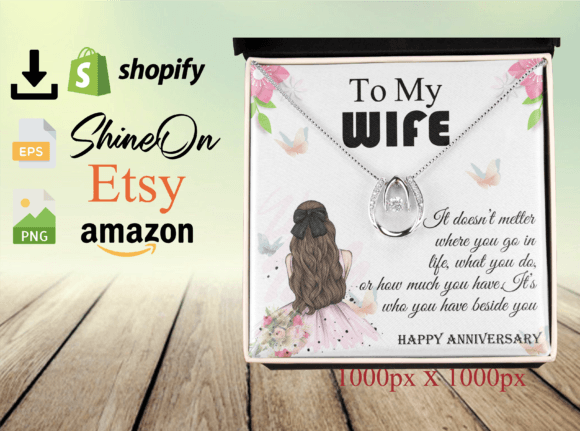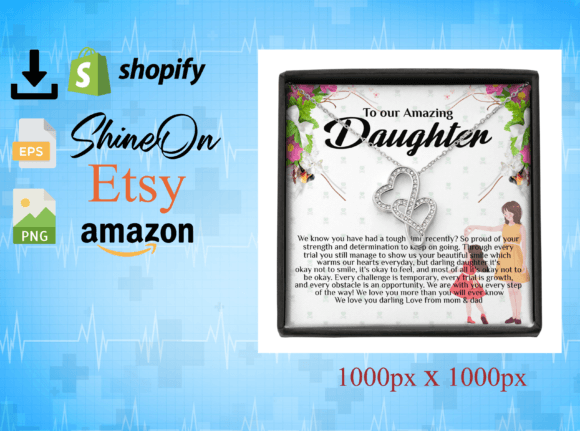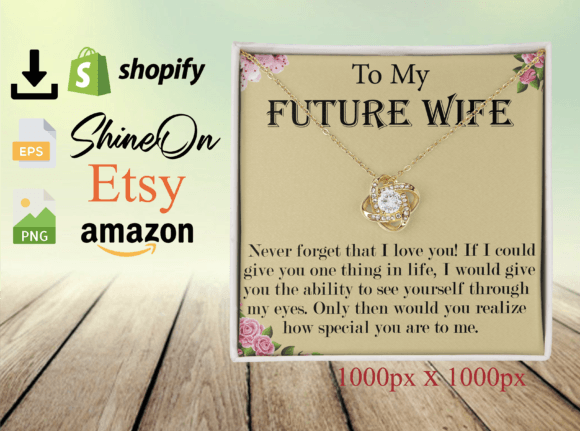
ShineOn Message Card Design,Etst
A Designer’s First Look: Friendly, Bright, and Built for Gifting
When I opened ShineOn Message Card Design,Etst, my first thought wasn’t “pretty” — it was “usable.” As someone who’s stitched hundreds of custom items for Etsy shops, boutique clients, and local craft fairs, I scan designs for *embroiderability* before aesthetics. This one lands softly: clean lines, balanced negative space, and a gentle rhythm between text and graphic elements. It reads like a handwritten note turned into stitchable art — warm but not cutesy, uplifting but not overbearing. That makes it ideal for personalized gifts: baby onesies, kitchen towels for new homeowners, or tote bags for teachers and nurses.
Where It Shines in Real Projects
I tested ShineOn Message Card Design,Etst on a medium-weight cotton twill tote bag — the kind small shop owners love for branded merchandise. Stitched with 40-weight polyester thread and light tear-away stabilizer, it held crisp edges without stiffness. The lettering stayed legible even at 3.5 inches wide, and the subtle decorative flourishes (think tiny stars or soft curves around the message) read as intentional detail, not visual noise. It worked just as well on a lightweight sweatshirt front — no puckering, no thread breaks — because the design avoids dense fill-stitch blocks and keeps satin-stitch runs moderate.
For baby embroidery? Yes — especially on gauzy muslin blankets or organic cotton bibs. The open layout means fewer stitches per square inch, which translates to softer drape and less risk of irritation. As an embroidered patch? It holds up beautifully when heat-applied to denim jackets or canvas backpacks. And for holiday embroidery — say, a linen tea towel gifted at Christmas — it adds sincerity without seasonal cliché. That versatility is rare in Print Templates meant for quick turnaround.
Where to Pause and Plan Ahead
This isn’t a “drop-in-and-stitch” design for every surface. On stretchy fabrics like jersey t-shirts or curved caps, I recommend testing with basting stitches first — the message layout relies on even tension to keep spacing consistent. Tiny corners or fine serif details (if present in your version) may blur slightly on textured fabrics like terry cloth or heavy linen unless you adjust stitch density manually. Dark fabric demands careful thread color selection: light pastels can fade visually, while high-contrast options (ivory on navy, pale gold on charcoal) preserve readability.
Also, avoid cramming ShineOn Message Card Design,Etst into hoops smaller than 4×4 inches. The natural flow needs breathing room — tight hooping distorts letter proportions and compresses those thoughtful pauses between words. And if you’re planning layered garments (like a pocket on a chambray shirt), check how the design interacts with seam allowances and stitching lines. A mockup sketch helps more than you’d think.
What It Adds to Your Finished Product
Customers notice intentionality. When ShineOn Message Card Design,Etst appears on a handmade product, it signals care — not just in execution, but in curation. It elevates a simple apron from functional to heartfelt. It turns a plain pillow cover into a meaningful housewarming gift. That emotional resonance builds trust, especially for Etsy sellers and craft fair vendors whose buyers choose handmade for authenticity.
Professionally, it supports brand consistency without locking you into one style. Pair it with minimalist line-art icons or soft watercolor-style applique designs, and it fits seamlessly into a cohesive digital embroidery file collection. For creative entrepreneurs building design assets, it’s a reliable anchor piece — neither too trendy nor too generic.
Practical Notes Every Embroidery Designer Should Keep Handy
- Always test first: Run ShineOn Message Card Design,Etst on scrap fabric matching your final project’s weight and stretch.
- Check contrast early: View your thread palette against both light and dark fabric swatches — what looks vibrant on screen may mute in stitch.
- Review stitch density: If your machine struggles with tight fills, simplify small decorative elements using your embroidery software.
- Confirm hoop compatibility: Measure the design’s widest point — don’t assume it fits your standard hoop without verifying.
- Inspect small details: Zoom in on letter terminals and curve junctions. If they look fragile at 100% scale, they’ll likely fray or skip during stitching.
- Try black-and-white mockups: They reveal hierarchy and clarity faster than color previews.
- Stabilizer matters: Use cut-away for knits, tear-away for stable wovens, and fusible for lightweight layers like baby clothes.
- Licensing check: Since this is part of a Graphics bundle, confirm whether commercial use (selling finished embroidered items or reselling the digital embroidery file) is permitted before listing on Etsy or your small shop.
Final Thought: A Quietly Confident Choice
ShineOn Message Card Design,Etst won’t shout across a craft fair table — and that’s its strength. It’s the kind of embroidery file that earns repeat orders because it works quietly, reliably, and meaningfully. Whether you’re stitching personalized gifts for friends, building inventory for your handmade product line, or sourcing design assets for client projects, it delivers clarity without compromise. It respects the craft, honors the fabric, and leaves room for the maker’s voice to come through. That’s not easy to find in a digital embroidery file — and it’s exactly why I keep it in my go-to folder for custom apparel, baby embroidery, and small business merchandise.