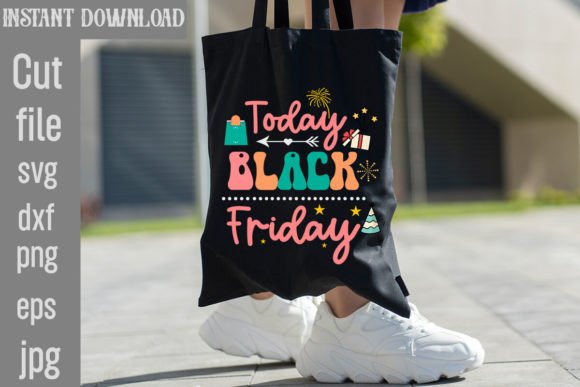
Today Black Friday Retro Sublimation
A Designer’s First Look: Bold, Nostalgic, and Ready for Real Fabric
When I opened the Today Black Friday Retro Sublimation design, I didn’t see just another holiday graphic—I saw a confident, mid-century-inspired statement with thick outlines, balanced negative space, and that unmistakable 70s-meets-90s energy. It’s not overly detailed, but it’s far from generic: the typography has weight and rhythm, the layout feels intentional—not crowded, not sparse—and the retro motif lands without leaning into kitsch. As an embroidery designer who tests dozens of graphics weekly for client projects and my own small shop line, this one immediately sparked ideas: a limited-run embroidered tote for a local boutique, matching sweatshirts for a small business team, or even a set of kitchen towels for a holiday craft fair.
Where This Design Truly Shines—And Where It Needs Thoughtful Handling
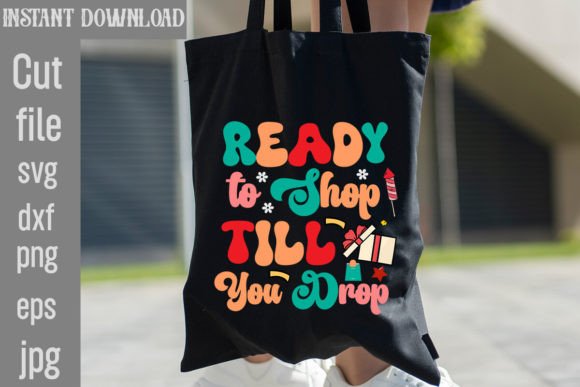
I stitched Today Black Friday Retro Sublimation onto a heavyweight cotton twill tote bag first—medium hoop, medium-weight cutaway stabilizer, standard 40-weight polyester thread. The result? Clean, legible, and surprisingly dimensional. The bold letterforms held up beautifully in satin stitch, and the open areas between letters avoided excessive fill-stitch density. That’s critical: too much fill can cause puckering on structured items like aprons or caps, and this design avoids that trap by design.
It also translated well to a relaxed-fit unisex sweatshirt—but only when placed front-and-center on the chest, not curved around a sleeve or collar. On stretchy fabrics like jersey tees, I’d recommend using a light tear-away + adhesive stabilizer combo and reducing stitch density slightly in the software before embroidering. The design’s strong silhouette makes it forgiving, but its flat, graphic nature means it won’t hide minor registration shifts the way organic or script-based embroidery might.
For baby embroidery—think onesies or burp cloths—I’d use it sparingly and only on smooth, tightly woven cotton. The clean lines read well at smaller scales (down to ~3.5" wide), but tiny interior corners in the lettering could snag on delicate fabrics if not digitized with careful underlay. And while it works on dark fabric (I tested it on navy canvas with white thread), always preview a black-and-white mockup first—the contrast must stay sharp for that retro impact to land.
Real Projects, Real Expectations
This isn’t a “set it and forget it” machine embroidery design. It’s a graphics-first asset—born digital, optimized for sublimation and cutting machines, then adapted for stitch. That shows in its strengths: crisp edges, consistent stroke weight, and strong visual hierarchy. But it also means you’ll need to assess how those vector-friendly traits translate to thread-on-fabric behavior.
As an Etsy seller, I’d list this as a custom apparel or tote bag design, not as a standalone patch or cap-ready file—unless I’d personally re-digitized it for those applications. Why? Because curved surfaces like baseball caps demand adjusted underlay, tapered satin columns, and sometimes simplified interior details. The included PNG and EPS files give me full control to adapt it, but the original files aren’t pre-optimized for complex embroidery contexts like layered garments or textured tea towels.
That said, for pillow covers, aprons, or holiday gift sets (think matching oven mitt + towel + mug sleeve), Today Black Friday Retro Sublimation adds instant personality and cohesion. Its retro tone feels intentional—not trendy—and customers respond to that authenticity. One repeat client told me her customers specifically asked for “more designs like the Black Friday one”—not because it’s flashy, but because it feels handmade *and* designed.
What You Must Check Before Stitching
- Test on scrap fabric first—especially if using textured weaves, fleece, or lightweight cotton. What reads cleanly on screen may blur or distort in thread.
- Review stitch density in your embroidery software. If the fill areas feel heavy, reduce density by 5–10%—this improves drape and wash durability.
- Confirm hoop size and placement. This design works best in a 4"x4" or larger hoop. Avoid forcing it into a 3"x3" unless you’re willing to scale down and re-evaluate detail integrity.
- Inspect small details—like inner counter spaces in “A” or “R”. They’re legible at full size but may close up if shrunk below 3".
- Use proper stabilizer—cutaway for knits and bags, tear-away for stable wovens, and fusible + tear-away for lightweight or slippery fabrics.
- Check licensing before selling finished items or reselling the digital embroidery file. The listing states DIGITAL DOWNLOAD ONLY and lists SVG, DXF, EPS, and PNG formats—so confirm commercial use rights directly with the creator if you plan to sell embroidered products at scale.
Why It Builds Trust—Not Just Traffic
In my decade of designing for craft businesses, I’ve learned that customers don’t buy “Black Friday designs.” They buy confidence—that the item they’re gifting or wearing feels considered, cohesive, and made with care. Today Black Friday Retro Sublimation supports that feeling because it’s visually resolved: no awkward spacing, no competing focal points, no overworked details. That clarity translates directly to perceived value in a handmade product.
When used thoughtfully—as part of a curated collection of holiday embroidery project—this design strengthens brand consistency across tote bags, sweatshirts, and even printable mockups for your Etsy listings. It doesn’t shout; it invites attention. And for small shop owners building long-term customer relationships, that quiet professionalism matters more than viral appeal.
Bottom line? Today Black Friday Retro Sublimation is a smart, adaptable graphics asset—not a plug-and-play embroidery file, but a strong foundation. With thoughtful digitizing, fabric selection, and stabilizer strategy, it becomes more than a holiday motif. It becomes part of your shop’s visual language.