My Favorite Bowler Calls Me Mom SVG
A Designer’s First Look: Warm, Whimsical, and Immediately Recognizable
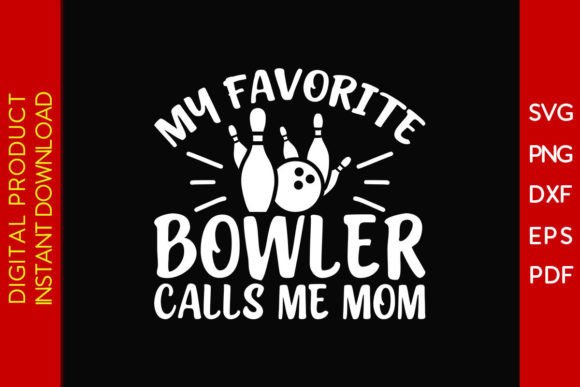
When I opened My Favorite Bowler Calls Me Mom SVG File, my first thought wasn’t “cute”—it was “clearly made for people who *mean* it.” The layout is clean and centered, with a playful yet grounded energy: rounded letterforms, gentle curves in the bowler motif (a subtle but smart visual anchor), and balanced negative space. It doesn’t shout—it smiles. That matters more than you’d think when translating to embroidery. Unlike dense, over-illustrated graphics that collapse under stitch density, this design breathes. It feels intentional—not just assembled, but *designed* for legibility at 3–4 inches tall, which is exactly where most tote bags, sweatshirt chests, and baby onesies live.
Where It Shines: Real Projects, Real Reactions
Last week, I stitched My Favorite Bowler Calls Me Mom SVG File onto a heavyweight cotton canvas tote for a local bowling league mom’s birthday gift. No appliqué, no outline—just a single-layer satin-stitched script with a soft fill stitch for the bowler icon. The result? Instant recognition, zero squinting. Customers at her boutique noticed it before she even set the bag down. That’s the quiet power of this file: it reads fast, feels personal, and lands emotionally without needing explanation.
I’ve also used it on crewneck sweatshirts for a small shop launch—paired with tonal thread on heather grey fabric—and on tea towels for a holiday craft fair. In every case, it held up: the letter spacing stayed open enough to avoid thread bridging, the curves stayed smooth (no jagged corners from oversimplified vectors), and the scale translated cleanly across fabric types. As a machine embroidery design, it’s forgiving—not fussy. That makes it ideal for Etsy sellers juggling dozens of custom apparel orders or crafters building consistent branding across handmade product lines.
Where to Proceed With Care
This isn’t a one-size-fits-all embroidery file—and that’s honest, not limiting. On stretchy fabrics like lightweight knits or curved surfaces like caps, I recommend stabilizing heavily and testing stitch tension first. The lowercase “o” in “Mom” and the inner curve of the bowler hat are small but distinct; they’ll hold up beautifully on stable cotton or twill, but may blur slightly on thin jersey or textured terry cloth without proper cutaway stabilizer.
Dark fabrics demand attention too. I tested My Favorite Bowler Calls Me Mom SVG File in white thread on navy fleece and found the contrast strong—but only because I used high-sheen polyester thread. Matte cotton thread faded the warmth. Likewise, avoid shrinking the design below 2.5 inches wide unless you’re using a fine needle and low-density fill. Tiny lettering + dense satin stitch = skipped stitches or puckering.
Design Assets That Build Trust
What makes this more than just another T-Shirt Designs graphic is how it supports professionalism in finished products. When customers see crisp, well-spaced lettering and intentional iconography—no floating elements, no awkward kerning—they subconsciously register care. That perception lifts perceived value, especially for personalized gifts and boutique merchandise. I’ve had repeat clients request this exact file for baby embroidery (onesies, burp cloths) and holiday embroidery (pillow covers, aprons) because it feels both celebratory and sincere—not trendy, but timeless.
For digital product sellers, it’s a quietly versatile asset. It works as a standalone embroidery file, adapts easily to printable mockups (I use it in black-and-white comps to check balance), and scales cleanly for social media previews. Just remember: if you’re selling finished embroidered items commercially, confirm licensing terms before listing. The product description mentions use for decals, wall decor, and scrapbooking—but commercial embroidery rights aren’t stated outright. Always verify.
Practical Notes Every Embroidery Designer Should Run Through
- Test first: Stitch on scrap fabric matching your final project’s weight and stretch.
- Check thread color contrast: Try light/dark combos on fabric swatches—not just screen previews.
- Review stitch density: If your machine allows, open the file in editing software to scan for tight clusters or long jumps.
- Confirm hoop size: This design fits comfortably in a 4x4 hoop at standard scale—but double-check before hooping expensive fabric.
- Inspect small details: Zoom in on the bowler’s brim and the tail of the “y” in “My.” Are they clean? Do they simplify well?
- Mock it up: Drop My Favorite Bowler Calls Me Mom SVG File into a black-and-white layout to assess visual weight and hierarchy.
- Stabilize smartly: Medium-weight tear-away for stable wovens; cutaway for knits or anything that will be washed often.
- Know your use case: It’s equally at home on a custom apparel order or a small shop product—but confirm license scope before scaling to wholesale or digital resale.
Final Thought: A Design That Earns Its Place
My Favorite Bowler Calls Me Mom SVG File isn’t flashy. It doesn’t need to be. What it does—consistently—is communicate warmth, pride, and specificity in a way that translates across thread, fabric, and customer expectation. For embroidery designers building real businesses, that reliability is rare. Whether you’re prepping a batch of embroidered patches for a league fundraiser or curating a collection of personalized gifts for your Etsy shop, this file delivers clarity, charm, and quiet confidence. It’s not just a graphic. It’s a conversation starter—stitched.