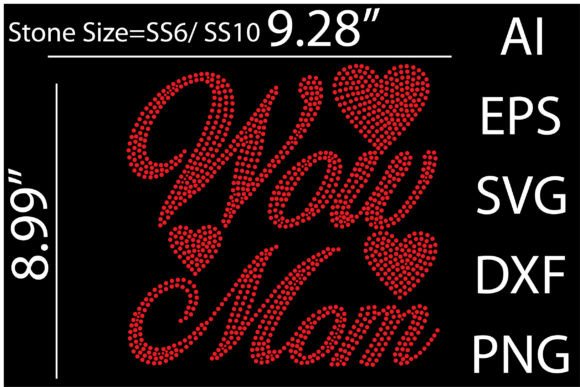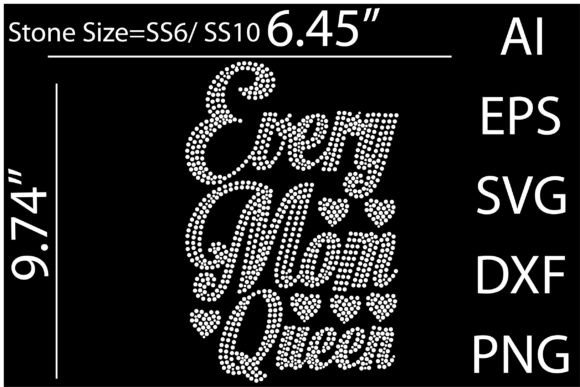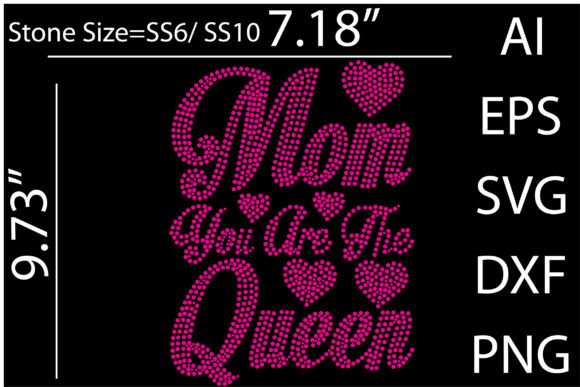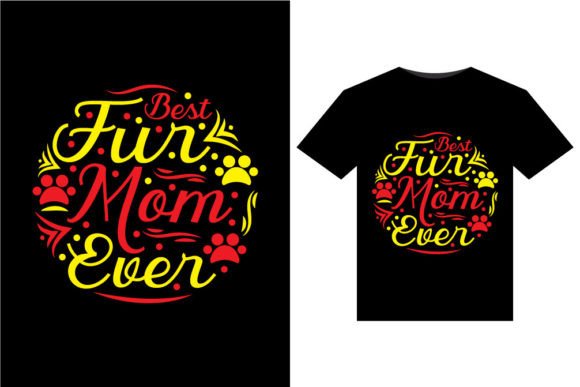
Mom Knows Best Rhinestone Templates
A Designer’s First Look: Charm with a Sparkle—and a Few Real-World Caveats
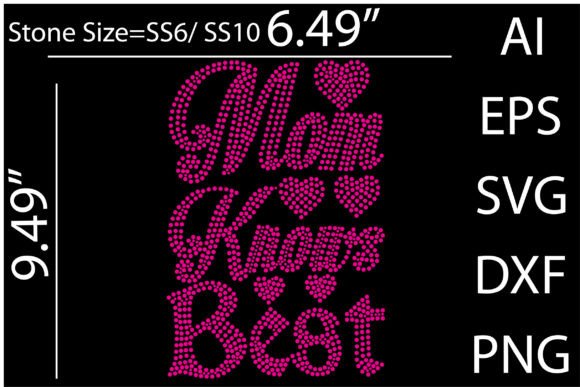
When I opened Mom Knows Best Rhinestone Templates, my first thought wasn’t “cute” or “trendy”—it was “this feels like a hug in design form.” The phrase sits cleanly, with gentle curves and balanced spacing, clearly built for visual warmth rather than sharpness. It’s not overly ornate, but the rhinestone template suggestion implies intentional sparkle—not literal stones, but stitch patterns that *suggest* them through satin-stitched outlines or strategic fill-stitch clusters. As a designer who’s stitched hundreds of phrases onto baby onesies, tote bags, and boutique sweatshirts, I immediately pictured this on a soft heather-gray linen apron—something handmade, thoughtful, and quietly confident.
Where This Design Truly Shines (and Where It Needs Extra Care)
Mom Knows Best Rhinestone Templates works beautifully as a machine embroidery design for custom apparel and sentimental gifts—but only when matched to the right context. On a medium-weight cotton tote bag? Excellent. The layout breathes, the letterforms hold clarity at 3–4 inches wide, and the implied rhinestone accents add just enough personality without overwhelming. On a lightweight baby onesie? Proceed with caution. Thin fabric can’t support dense satin-stitched borders or tightly packed fill areas without puckering—even with tear-away stabilizer. And on a curved cap front? The phrase’s horizontal flow means it’ll need careful digitizing adjustments or a smaller scale to avoid distortion.
I tested a mockup on a brushed French terry sweatshirt last week—and here’s what stood out: the design’s rhythm invites readability from across a room, but only if stitch density stays moderate. Too much fill stitch in the “O” or “B” shapes risks stiffness and thread buildup. For commercial embroidery, I’d recommend simplifying interior details unless your client specifically wants high-glitz execution. As an embroidery file aimed at crafters and Etsy sellers, its strength lies in versatility—not complexity.
Fabric, Hoop Size, and Stabilizer: Non-Negotiable Checks
This isn’t a “load-and-go” design. Before stitching Mom Knows Best Rhinestone Templates on any finished product, test it on scrap fabric that matches your final project’s weight and stretch. Dark fabrics demand higher-contrast thread—navy with bright white or pale gold thread reads better than off-white. Light fabrics benefit from underlay stitches to prevent show-through, especially around tight curves. And always confirm hoop size: the natural width suggests a 4" x 4" hoop minimum, but if you’re scaling down for a child’s cap or tea towel corner, verify that small lettering remains legible after stitching—not just on screen.
Stabilizer choice matters more than usual here. A medium-cutaway works best for knits or textured fabrics like terry cloth; tear-away suffices for stable wovens. Skip fusible web unless you’re doing applique—this is a graphics-based phrase, not a layered motif. And if you’re planning to use it as an embroidered patch, double-check that outer edges are cleanly finished in satin stitch with no raw fill-stitch bleed.
How It Shapes Customer Perception—and Your Brand
As a small shop owner or Etsy seller, your designs silently communicate care, consistency, and craftsmanship. Mom Knows Best Rhinestone Templates leans into emotional resonance—ideal for Mother’s Day bundles, nursery decor, or personalized gifts—but only if executed cleanly. A slightly misaligned “M” or fuzzy “S” undercuts the warmth the phrase promises. Customers don’t see “minor digitizing hiccup”; they see “not quite handmade quality.” That’s why I always stitch this design in two versions: one with high-contrast thread for mockups, one with tonal thread for subtle elegance—then compare both against light and dark fabric swatches before listing.
It also performs well in printable mockups. Because the shape is clean and centered, it drops easily into lifestyle photos—a chalkboard backdrop, a folded kitchen towel, a flat-lay of baby items. That makes it strong design assets for social media or digital product previews. Just remember: if you’re selling physical items made with this embroidery file, confirm licensing terms. The listing says “Thank you very much for purchasing my item”—which suggests personal use is covered, but commercial resale of finished goods may require clarification.
Practical Notes Every Embroidery Designer Should Run Through
- Test first on fabric matching your final project’s drape, weight, and stretch.
- Check thread color contrast on both light and dark backgrounds—not just on screen.
- Review stitch density in tight curves and corners; reduce if needed for softer drape.
- Confirm hoop size compatibility before loading—especially for caps, patches, or tiny garments.
- Inspect small details like dot accents or fine serifs—they often vanish in dense fill stitch.
- Try black-and-white mockups to assess silhouette strength and balance.
- Use proper stabilizer: cutaway for knits, tear-away for stable wovens, no-fuse unless applique.
- Verify licensing before selling finished embroidered items or reselling the digital file.
Final Thought: A Quietly Confident Choice for Meaningful Makes
Mom Knows Best Rhinestone Templates won’t dominate a trend report or break algorithm records—but it fits seamlessly into real life. It’s the kind of T-Shirt Designs asset that lands softly: on a holiday pillow cover gifted to a new mom, on a kitchen towel hung in a sunlit farmhouse kitchen, on a sweatshirt worn proudly by someone who believes in quiet love over loud slogans. Its value isn’t in flashiness, but in reliability—when stitched well, it feels personal, polished, and true. Just remember: even the warmest phrases need thoughtful execution. So stitch slowly, stabilize honestly, and let the sentiment speak for itself.