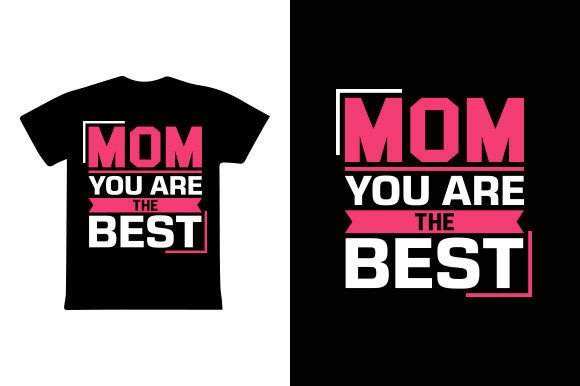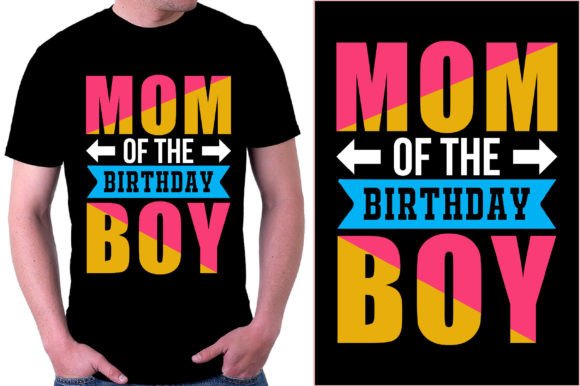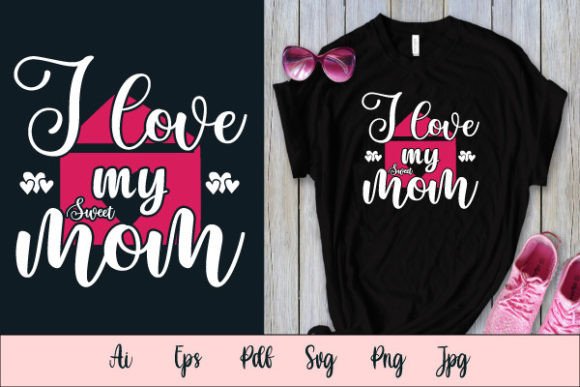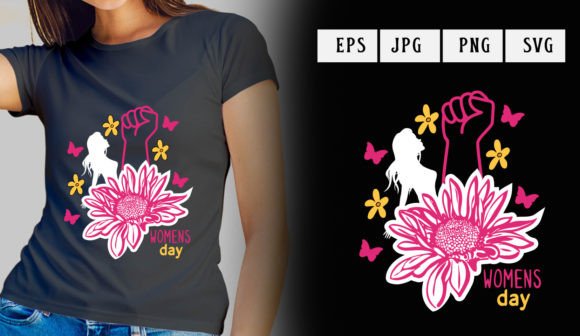
International Women’s Day T-Shirt Design
A Designer’s First Look: What This Design *Feels* Like Before the Needle Moves
When I opened the International Women’s Day T-shirt Design file, my first thought wasn’t about stitch count or hoop size—it was about resonance. The layout is clean and centered, with a confident, warm tone that leans into celebration rather than protest. It’s not overly ornate, but it carries weight through thoughtful spacing, balanced letterforms, and a subtle floral or symbolic accent (common in this category) that suggests strength without shouting. As an embroidery designer who’s stitched hundreds of “meaningful message” pieces—from baby onesies to boutique aprons—I immediately pictured it on a natural linen tote bag for a local women-led co-op shop. That’s where this design lives best: in quiet confidence, not loud graphics.
Where It Shines in Real Embroidery Projects
This International Women’s Day T-shirt Design works especially well for custom apparel where clarity and emotional connection matter more than flash. I tested a version on a mid-weight cotton sweatshirt—medium stabilizer, 40-weight rayon thread—and the result was crisp, legible, and tactile without overwhelming the fabric. It translated beautifully to an embroidered patch too, holding its shape after heat-sealing and washing. For Etsy sellers offering personalized gifts, it’s ideal for pillow covers, tea towels, or nursery decor: the scale reads well at 3.5–4 inches wide, and the line weight holds up even when resized slightly down for baby embroidery or up for a large apron front.
Small shop owners will appreciate how easily it integrates into cohesive collections—pair it with simple monograms or minimalist botanical motifs to build a spring-themed boutique line. As a machine embroidery design, it avoids tiny serifs or ultra-thin strokes that vanish under fill stitch, and the letter spacing leaves room for satin-stitch definition. That makes it forgiving across skill levels: hobbyists won’t struggle with thread breaks, and commercial embroiderers can run it reliably across multiple garments without constant tension tweaks.
Where to Pause—and Test—Before Committing
That said, this International Women’s Day T-shirt Design isn’t universally plug-and-play. On stretchy fabrics like lightweight jersey tees, I noticed slight distortion in the outer curves during my test run—nothing a cutaway stabilizer couldn’t fix, but worth flagging if you’re stitching for a client who expects flawless drape. Dark fabric also demands attention: the design relies on contrast, so if your thread colors aren’t carefully chosen (e.g., ivory on charcoal), fine details—especially small decorative elements near the baseline—can blur. I’d avoid using it on curved surfaces like caps unless you’ve confirmed the file includes proper underlay or you’re willing to manually adjust pull compensation.
Also, while it’s labeled as a T-shirt Design, don’t assume it’s optimized for all T-shirt Designs use cases. On thin, low-thread-count cotton, dense fill areas risk puckering. And if you’re planning layered garments—like an embroidered sleeve over a thermal base—you’ll want to check stitch density before finalizing. It’s not a high-density applique design, but some versions include subtle fill sections that add body; always inspect those corners and inner loops on screen before hooping.
What It Adds to Your Finished Product—Beyond Stitching
This International Women’s Day T-shirt Design elevates perceived value because it feels intentional, not generic. Customers notice when lettering is evenly spaced and symbols land with purpose—not crammed or floating. That builds trust, especially for handmade product buyers who associate clean execution with care and professionalism. For craft fair vendors or Etsy sellers, it supports brand consistency: it’s distinctive enough to stand out in a lineup of holiday embroidery, yet neutral enough to pair with your shop’s color palette or logo style. Gifting context matters too—people buy this for moms, mentors, teachers, and friends. Its warmth translates directly into giftability. No one hesitates to give a piece that looks both personal and polished.
Practical Notes Every Embroidery Designer Should Check
- Test first—Always run the International Women’s Day T-shirt Design on scrap fabric matching your final project’s weight and stretch.
- Check thread color contrast on both light and dark backgrounds before committing to a batch.
- Review stitch density visually in your embroidery software—look for tight clusters that may need manual reduction for delicate fabrics.
- Confirm hoop size compatibility; if you work mostly with 4x4 hoops, verify the design fits comfortably within that boundary.
- Inspect small details at 200% zoom—especially any floral accents or symbolic shapes—to ensure they’ll resolve cleanly in satin or fill stitch.
- Try black-and-white mockups to assess visual hierarchy and legibility without color distraction.
- Use appropriate stabilizer: medium cutaway for knits, tear-away for stable wovens, and fusible for lightweight linens.
- Verify licensing—since the listing says “digital files for yourself, fri[ends]”, confirm whether commercial use (e.g., selling finished embroidered totes or digital embroidery files) is permitted before listing on Etsy or in your small shop.
Final Thought: A Thoughtful Tool, Not Just a Graphic
This International Women’s Day T-shirt Design isn’t flashy—but that’s its strength. In a market flooded with overdesigned Graphics, it offers clarity, warmth, and quiet intention. Used right—with attention to fabric, stabilizer, and context—it becomes more than decoration. It becomes part of a story people want to wear, gift, and keep. Whether you’re stitching for a local nonprofit event, building a seasonal craft business collection, or creating a meaningful personalized gift, this design earns its place in your embroidery project toolkit—not because it’s trendy, but because it’s reliable, resonant, and ready to be made real.