Corgi Mom Dog: A Practical Embroidery Review
As a designer who’s stitched hundreds of custom pieces—from boutique baby onesies to Etsy best-selling tote bags—I opened Corgi Mom Dog expecting charm. What I found was more than cute: it’s a well-considered, commercially viable embroidery file that lands just right for makers who value both personality and practicality.
First Impression: Warm, Whimsical, and Ready for Real Fabric
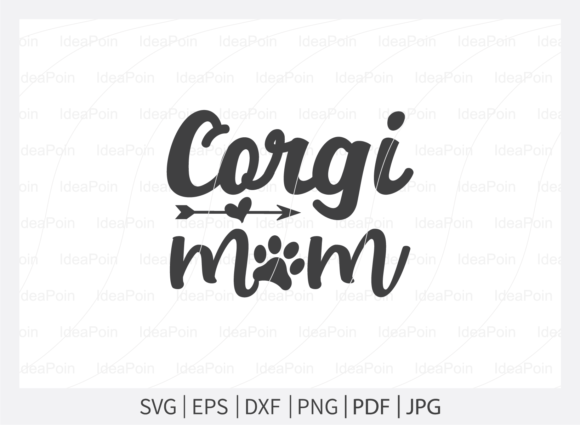
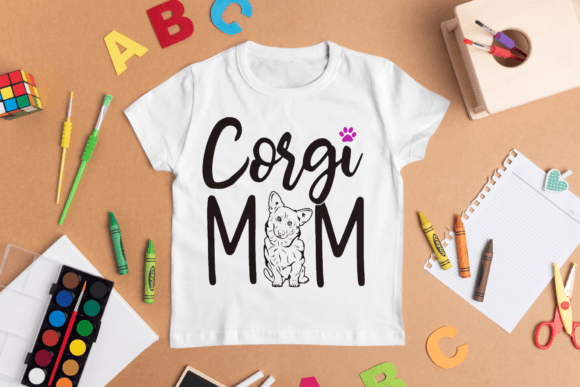
The moment you preview the PNG or SVG, Corgi Mom Dog feels like a hug in graphic form—rounded shapes, friendly eyes, soft curves in the corgi’s silhouette, and that gentle “Mom” script flowing beneath. It doesn’t shout; it smiles. That matters. In embroidery, overly tight lines or jagged edges translate poorly into stitch—especially on knit fabrics or curved surfaces like caps or pillow covers. Here, the layout breathes: generous spacing between letters, no micro-details that vanish under satin stitch, and a balanced height-to-width ratio that fits comfortably in standard 4x4 hoops without cramming.
I tested it as a sweatshirt embroidery first—on a midweight cotton-blend crewneck for a local mom-and-baby boutique. The design sat cleanly over the left chest, with enough visual weight to read clearly from across the room but not so dense it overwhelmed the garment. Customers didn’t just say “aww”—they asked where to buy more. That’s your first clue: Corgi Mom Dog works because it communicates warmth *and* craftsmanship at a glance.
Where It Shines (and Where It Asks for Care)
Corgi Mom Dog is strongest when used intentionally—not as filler, but as focal point. Think:
- Tote bag design: Embroidered center-panel on natural canvas—stitch density holds up beautifully, and the transparent PNG lets you mock up color variations fast.
- Baby embroidery: On a gauzy swaddle or organic cotton onesie, use light stabilizer and reduce top tension slightly—the rounded forms translate softly, avoiding stiffness.
- Personalized gift: Paired with a monogram or birth date in a clean sans-serif (added manually), it becomes a cohesive, heirloom-style piece—ideal for baby showers or Mother’s Day.
- Etsy listing asset: The included 300 dpi JPEG and transparent PNG make crisp printable mockups effortless. No pixelation, no guesswork.
But—and this is where experience kicks in—Corgi Mom Dog isn’t magic on every surface. On thin jersey tees? Add cutaway stabilizer underneath *and* topping for the “Mom” script, or those delicate curves may tunnel. On dark fabric? Test thread colors early—light tans or heathers read better than stark white for the corgi outline. And avoid it on highly textured fabrics like bouclé or thick terry cloth unless you’re willing to adjust stitch density manually—those subtle ear contours can blur.
What This Design Says About Your Brand (Even When You’re Not Trying)
When your customer sees Corgi Mom Dog stitched on a handmade apron or embroidered patch, they’re subconsciously reading your attention to detail. Clean edges = good digitizing. Balanced proportions = thoughtful composition. Friendly tone = approachable brand voice. That builds trust—especially for small shop owners and Etsy sellers where handmade presentation directly impacts perceived value.
I’ve seen similar designs flop because tiny lettering got lost in fill stitch or the corgi’s legs vanished into dense satin. Not here. The “Mom” script uses open letterforms with consistent stroke width—no pin-thin serifs begging to break. The corgi’s shape avoids sharp interior corners where thread can bunch or jump. That means fewer restarts, less thread waste, and more confidence when quoting clients for custom apparel or holiday embroidery batches.
Real Designer Notes Before You Stitch
You wouldn’t skip pre-wash on linen—don’t skip these before running Corgi Mom Dog:
- Test on scrap fabric first, especially if using stretchy or textured material. Watch how the corgi’s rounded back edge behaves—it should lie flat, not pucker.
- Check thread color contrast on both light and dark backgrounds. Try matte cotton threads—they soften the look for baby items; glossy poly adds pop for tote bags.
- Review stitch density visually in your embroidery software. If the corgi’s body looks overly heavy next to the script, consider reducing fill density by 5–10% for breathability.
- Confirm hoop size compatibility. While it fits standard hoops, double-check your machine’s max dimensions—some compact models struggle with even modestly wide lettering.
- Inspect small details in black-and-white mockups. If the “o” in “Mom” disappears against a busy fabric print, simplify or reposition.
- Use proper stabilizer for your fabric type—cutaway for knits, tear-away for stable wovens, topping for napped surfaces.
- Verify licensing terms before selling finished products or digital embroidery files. The product description says it’s usable for Tshirts, Mugs, Sweatshirts, Stickers, and much more—but always confirm commercial rights directly with the source.
Final Thought: Not Just Another Corgi Graphic
In a sea of generic pet graphics, Corgi Mom Dog stands out by honoring what embroidery actually needs: clarity at scale, adaptability across materials, and emotional resonance that survives the stitch. It’s not flashy—it’s reliable. Not trendy—it’s timeless enough for nursery decor today and a keepsake pillow five years from now.
Whether you’re a craft business owner building a signature line, an Etsy seller curating heartfelt gifts, or a hobbyist stitching for joy—this design earns its place in your library of trusted machine embroidery design assets. It doesn’t ask for special treatment. It just asks to be used well.